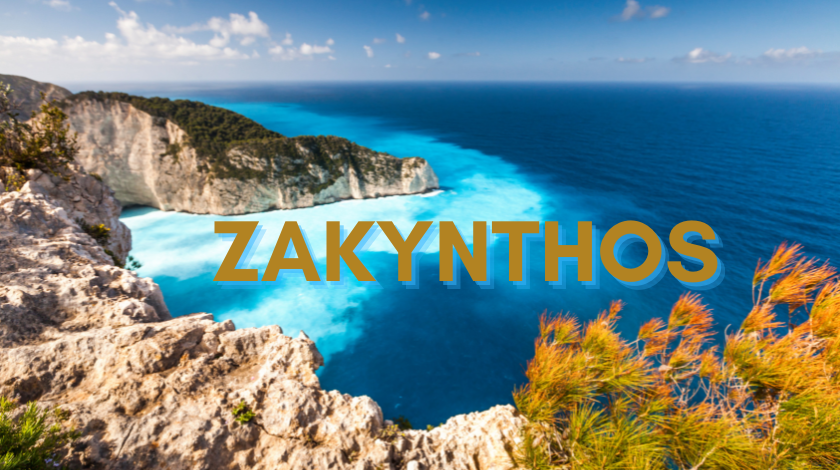
Let me tell you about the first time I truly saw Zakynthos. Like most people, I arrived with a single, stunning image burned into my mind: that rusty shipwreck beached on a wedge of pure white sand, cradled by towering, dramatic cliffs. It’s a view that dominates Instagram and travel brochures, and honestly, it’s breathtaking. But after a week of exploring, I realised that fixating solely on that one cove is like judging an entire, beautiful novel by its cover. The real magic of Zakynthos, the stuff that makes your heart sigh and your soul feel rested, lies in the quiet moments in between. It’s in the scent of wild oregano on a mountain path, the clink of glasses in a village taverna where no English menu exists, and the profound respect you feel sharing a bay with a creature that has swam these seas since the time of dinosaurs.
This guide is my attempt to help you experience that fuller, richer Zakynthos. We’ll talk about the famous sights, of course, because you simply can’t miss them. But more importantly, we’ll wander down the less-traveled roads, discuss how to visit responsibly, and uncover the island’s gentle, beating heart.
When to Go: Dancing with the Seasons and the Turtles
Zakynthos isn’t just a summer fling; its personality changes with the seasons. Peak season, from July to August, is when the island is in full, vibrant party mode. The weather is gloriously hot, the water is like bathwater, and every beach bar is buzzing. But this is also when the famous Laganas strip is at its loudest, the roads are busiest, and the queues for Navagio viewing platforms can be disheartening. Prices are at their highest, too.
For me, the golden times are the shoulder seasons. Late May to June and September to early October are simply perfect. The sun is still warm and generous, the sea is lovely for swimming, but the overwhelming crowds have thinned. You can find a parking spot at a popular beach, get a table at a sought-after taverna without a reservation, and actually hear the waves. Crucially, these months are also vital for the island’s most famous residents: the loggerhead sea turtles, or Caretta caretta. They nest on the southern beaches from May onwards, and by visiting in these quieter months, you put less pressure on their fragile nesting grounds.
Getting There and Getting Around: Your Island Freedom Pass
You’ll most likely fly into Zakynthos International Airport, “Dionysios Solomos.” It’s a small, charming airport where you step off the plane and already feel the Ionian breeze. You can also take a ferry from Kyllini on the Greek mainland, which is a scenic option if you’re doing a wider Greek road trip.
Now, here is my most important piece of practical advice: rent a car. I cannot stress this enough. Public buses exist, but they are limited and mainly connect the main town to big resorts like Laganas. The true soul of Zakynthos is hidden in coves only accessible by dirt tracks and villages perched on mountain tops. Having your own car gives you the freedom to follow a whim, to stop at that tiny roadside shack selling honey, or to chase the sunset on the west coast. Rent a small one; the roads can be narrow and winding, which is all part of the fun. Just remember to drive calmly and defensively—Greek driving has its own rhythm!
The Famous Trio: Navagio, Blue Caves, and the Turtles
You can’t ignore the icons, and you shouldn’t. They are famous for a reason.
Navagio Beach (Shipwreck Cove): That postcard shot is taken from the clifftop viewing platform on the island’s northwest coast. The view is staggering, truly. But here’s the secret they don’t always tell you: you cannot walk down to the beach from the viewpoint. The only way to set foot on that iconic sand is by sea. This leads to the second part of the experience: the boat tour. Countless operators run trips from ports like Porto Vromi and Agios Nikolaos. The boats circle the cove so you can get that classic photo, and then you get to swim in that unbelievably blue water right next to the wreck. It’s an unforgettable feeling. Book a morning tour to avoid the biggest crowds and the rougher afternoon sea.
The Blue Caves: Just around the corner from Navagio, these sea caves are a natural marvel. As your small boat glides inside, the water underneath transforms into a fluorescent, electric blue, lit by the reflected sunlight through the water. It’s a mesmerising sight. Most Navagio boat tours include a stop here for a swim, so you can tick both wonders off your list in one go.
The Loggerhead Turtles: This isn’t just an attraction; it’s a privilege. Laganas Bay is one of their most important nesting sites in the Mediterranean. You can see them by joining a responsible turtle-spoting boat trip from Lagana or Keri. Look for operators who are licensed by the National Marine Park, keep a respectful distance, and have a marine biologist on board. Never, ever try to touch or chase a turtle. Alternatively, you can sometimes see them bobbing up for air if you’re having a quiet drink at a beachfront bar in Kalamaki or Gerakas. Seeing that ancient head break the surface is a humbling reminder that we are visitors in their home.
The Hidden Zakynthos: Where the Crowds Fade Away
This is the part I love the most. When you need a break from the buzz, point your car in these directions.
Head north from the main town towards Volimes. This area feels wilder, more rugged. Stop at the Xigia beaches, which have a faint, pleasant sulphur smell from the minerals in the water—locals swear by it for your skin. Further up, seek out Porto Limnionas. It’s not a sandy beach, but a stunning, natural rocky cove with a single, fantastic taverna perched above it. You clamber down the rocks to find your perfect spot to dive into the deep, turquoise sea. It’s pure, unadulterated paradise.
On the dramatic western coast, make your way to Keri Lighthouse for sunset. Forget the crowded beach bars; here, you stand on the edge of the island, watching the sun melt into the sea, painting the sky in oranges and pinks. It’s a moment of pure, quiet magic.
Then, drive inland. Get lost in the mountain villages like Kiliomeno or Exo Chora. Life here moves at the pace of the old men playing backgammon in the square. The air is cooler, filled with the scent of wood-fired ovens and jasmine. Stop for a coffee or a slow lunch. The food here is authentic, hearty, and made with love.
A Taste of the Island: More Than Just Greek Salad
Speaking of food, Zakynthian cuisine is a delight. Yes, you’ll find amazing Greek staples everywhere, but look out for local specialties. Try Sartza, a slow-cooked pork dish, or Bourdeto, a spicy fish stew. The island produces wonderful olive oil and, surprisingly, excellent wine. Visit a local winery in the higher villages for a tasting; the Verdea grape, unique to Zakynthos, makes for a beautifully crisp white wine.
My favourite food memory isn’t from a fancy restaurant, but from a tiny family-run place in Bohali. We asked for the special, and the owner just brought out what his mother had cooked that day. It was simple, fresh, and full of flavour. Don’t be afraid to venture away from the seafront promenades for your meals.
Practical Tips for a Mindful and Happy Trip
-
Respect the Turtles: Always obey signs on nesting beaches. Never use sunbeds or umbrellas in restricted zones, and avoid walking on the soft sand at night during nesting season (May-Oct).
-
Sun and Sea Smarts: The Ionian sun is strong. Use high-SPF sunscreen, wear a hat, and drink more water than you think you need. The sea can be surprisingly deep quickly in coves, so always swim with caution.
-
Cash is King (in the villages): While cards are accepted in most resorts and bigger restaurants, smaller tavernas and village shops often prefer cash. Have some Euros on hand.
-
Embrace the Pace: This is Greece. Service can be relaxed, plans can change. Just go with it. Order another drink, watch the world go by, and let the famous “sigà, sigà” (slowly, slowly) mentality wash over you. It’s the best souvenir you can take home.
Conclusion: The Island That Stays With You
Zakynthos is a beautiful contradiction. It’s both thrilling and profoundly peaceful. It’s home to a world-famous shipwreck and ancient, quiet turtles. It has bustling streets and silent mountain tops. The trip you have is entirely up to you. You can spend it in the heart of the action, or you can wander, explore, and connect with the deeper, gentler rhythm of island life.
For me, the true beauty of Zakynthos wasn’t just in that first, gasp-inducing view of Navagio (though I’ll never forget it). It was in the taste of salt on my lips after swimming in a hidden cave, the smile from an old lady as I tried my broken Greek, and the profound sense of peace watching a turtle glide silently through the bay. Go see the postcard. But then, turn the page and read the whole story. You won’t regret it.
Frequently Asked Questions (FAQ)
Q: Is it Zakynthos or Zante?
A: Both are correct! Zakynthos (Ζάκυνθος) is the Greek name. Zante is the Italian name, which became popular historically. Locals use both interchangeably, though you’ll see the official Greek name used more on signs and maps.
Q: How many days do I need in Zakynthos?
A: I’d recommend a minimum of 3 full days to see the major sights at a relaxed pace. A full week is ideal if you want to properly explore the hidden villages, spend days on different beaches, and really unwind.
Q: Can I visit Navagio Beach without a boat tour?
A: No, it is only accessible by sea. The cliffs are too steep and dangerous to climb down. You must take a licensed boat tour from an approved port.
Q: What is the best way to see the turtles responsibly?
A: Book a tour with a licensed operator (look for the National Marine Park logo), choose a smaller boat, and ensure they promise to keep a safe, legal distance (at least 15 meters). Avoid companies that chase or corner the animals.
Q: Is Zakynthos good for families?
A: Absolutely. There are countless shallow, sandy beaches perfect for children (like Tsilivi, Alykes, or Laganas). The boat trips, turtle spotting, and easy-going atmosphere make it a wonderful family destination. Just be mindful of the busy roads and always supervise children near the sea.
Q: What should I pack?
A: Besides your summer essentials, pack: sturdy sandals for rocky beaches and boat trips, a light jacket for cooler evenings (even in summer), a high-SPF reef-safe sunscreen to protect the marine life, and a reusable water bottle to reduce plastic waste.