Let’s be honest. When you think of Cornwall, your mind probably floods with images of perfect sandy beaches, surfing waves, and picturesque fishing villages with names like St. Ives and Padstow. You might not immediately think of Bodmin. For many rushing down the A30, it’s just a sign they pass on the way to those famous spots. I used to be one of those people. I’d whizz by, glancing at the turning, thinking it was just an inland town. But let me tell you, I was completely wrong.
Bodmin isn’t just a town you pass through; it’s a destination with a fierce personality, a deep history, and a wild, open heart. It’s the kind of place that doesn’t just offer a pretty photo, but a story. If you want to understand Cornwall’s soul—its ruggedness, its history, and its legends—you need to spend time here. This isn’t just a tourist’s opinion; after many visits, I’ve come to see Bodmin as the authentic, grounding centre of the county. So, let’s pull off that A30 and discover what makes Bodmin so uniquely compelling.
Bodmin: More Than Just a Gateway
First, let’s get our bearings. Bodmin sits almost right in the middle of Cornwall, cradled by the vast, dramatic landscape of Bodmin Moor to the northeast. This central location is its first secret weapon. While everyone else is fighting for a car park space in coastal hotspots, you could be based in Bodmin, in a lovely cottage or B&B, and reach the north coast, the south coast, and the moor itself in under 30 minutes. It’s a traveller’s dream for efficient exploring.
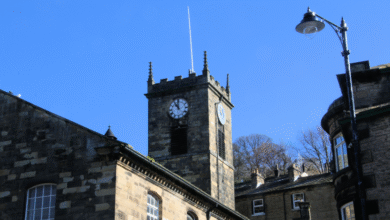
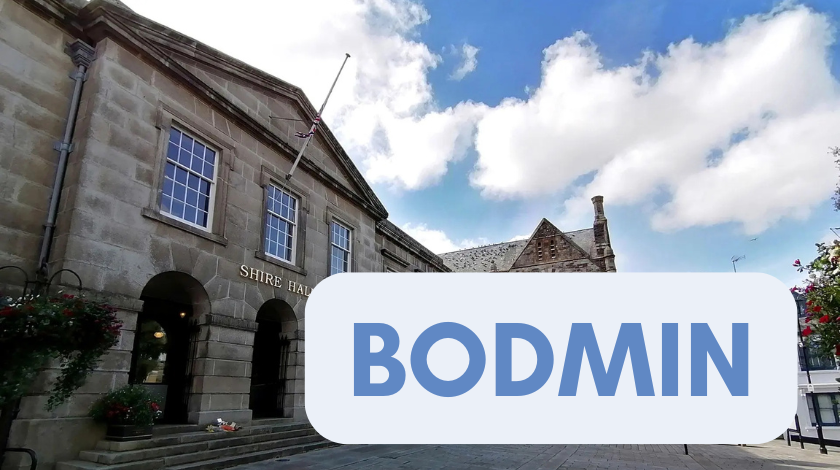
But staying here isn’t just about logistics. Bodmin itself was once the most important town in Cornwall. It was the county’s only city for centuries and its administrative and religious centre. You can feel that faded importance in its sturdy granite buildings and the scale of its main church. It has a working-town feel, which I personally love. It’s real. You’ll find proper butchers, bakers, and local pubs where the conversation is about farming and weather, not just tourists. This authenticity is the perfect counterbalance to a day of beach-hopping.
A Journey into Darkness and Light: Bodmin’s Historic Treasures
You cannot talk about Bodmin without talking about Bodmin Jail. This isn’t your average heritage site. As you approach, the imposing grey granite walls set a serious tone. This was a working prison from the late 1700s until the 1920s, and it has been transformed into a world-class dark tourism attraction. I remember my first visit; it was a drizzly afternoon, which somehow felt appropriate. The experience is immersive and thought-provoking.
You walk through the original cells, see the harsh conditions, and learn the stories of the inmates. There’s a section on the justice system of the time, which could see a child transported to Australia for stealing a loaf of bread. It’s sobering. The newer “Dark Walk” experience uses projections and effects to tell Cornwall’s darker tales. It’s theatrical and engaging, but it never shies away from the grim reality. It’s a must-visit, but perhaps not right before bed! It perfectly illustrates a harsh chapter of Cornish history.
Just a few miles south, the atmosphere changes completely at Lanhydrock House. This is the contrast that defines Bodmin. Where the Jail is about hardship, Lanhydrock is about grandeur, albeit with its own human stories. The estate is vast and beautiful, but the house you see today is mostly Victorian. A devastating fire in the 1880s led to a rebuild, and what was created is a time capsule of upper-class life. You can explore from the “below stairs” world of the kitchens, sculleries, and servants’ quarters—which are fascinating in their detail—right up to the luxurious family rooms.
But for me, the magic of Lanhydrock is outside. The gardens are spectacular, with a stunning parterre and year-round colour. And then there’s the parkland. Walking through the ancient oak avenue, with sunlight filtering through the leaves, is one of the most peaceful experiences in Cornwall. It’s a place where you can spend a full day easily, picnicking, cycling their trails, and simply breathing in the beauty.
The Call of the Wild: Bodmin Moor
If Lanhydrock is managed beauty, then Bodmin Moor is untamed wilderness. This is Bodmin’s backyard, a huge granite landscape of rolling hills, towering tors, and wide-open skies. It feels ancient, because it is. You’ll stumble upon Neolithic standing stones, burial chambers, and the ruins of old mine workings. The air smells different here—of peat, damp earth, and wild heather.
Walking on the moor is an active adventure. For the energetic, a hike up Brown Willy or Rough Tor (pronounced “Row Tor”) rewards you with panoramic views that stretch to both coasts. It can be challenging; the weather changes in an instant, and the paths are often boggy. Proper boots and a map are essential. But the feeling of standing on top of a tor, with the wind whipping around you and nothing but nature in sight, is utterly liberating. It’s a reminder of Cornwall’s raw, prehistoric power.
And then, there’s the legend. No article about Bodmin Moor is complete without mentioning The Beast of Bodmin Moor. For decades, there have been reports of a large, black, cat-like creature prowling the moor. There have been blurry photos, stories of slaughtered livestock, and endless speculation. Is it an escaped big cat? A misidentified dog? A pure myth born from the moor’s eerie atmosphere?
From my own experiences walking the moor at dusk, I can understand how the legend persists. The shadows grow long, the mist rolls in over the valleys, and every strange rock or distant sheep can look like something else. It’s a place that feeds the imagination. While the official investigations have found no conclusive proof, the Beast is a fantastic part of local folklore. It adds a layer of mystery that makes exploring the moor even more exciting, especially for children. You’ll find “Beast” souvenirs in town, a fun nod to the tale.
Bodmin for Everyone: From Families to Foodies
Beyond the big attractions, Bodmin offers lovely, quieter experiences. Cardinham Woods, just outside town, is a family favourite. Here, you’ll find waymarked trails through magical woodland, a fantastic café (the wood-fired pizzas are legendary), and a playground. It’s accessible, beautiful, and perfect for a relaxed few hours.
History buffs should seek out St. Petroc’s Church in the town centre. It’s the largest parish church in Cornwall and a testament to Bodmin’s former importance. Inside, it’s quiet and cool, with some beautiful stained glass. Also, don’t miss the Bodmin and Wenford Railway, a heritage steam train that chuffs through the countryside. It’s a lovely, nostalgic trip, especially on a sunny day.
For practicalities, Bodmin Parkway railway station is your main rail link, located a few miles out of town with a taxi rank. The town centre has all the essential shops, supermarkets, and some excellent local pubs. Try a proper Cornish pasty from a local baker—it’s the best fuel for a moorland walk.
Conclusion: The Heart of Cornwall
So, is Bodmin worth visiting? Absolutely. It offers a rich, layered experience that complements Cornwall’s famous coastline perfectly. It’s where you touch history, both dark and glorious. It’s where you challenge yourself on wild, open landscapes and listen to local legends. And perhaps most importantly, it’s a place that feels real and welcoming.
Bodmin doesn’t ask for your Instagram admiration; it asks for your curiosity and your time. In return, it gives you a true understanding of Cornwall—a county built on granite, shaped by the sea, and full of stories. Next time you see that sign on the A30, don’t just drive past. Turn off, explore, and let Bodmin show you the heart of Cornwall.
Frequently Asked Questions (FAQ)
Q: Is Bodmin worth visiting for a day trip?
A: Yes, absolutely. You can easily fill a day with a morning at Bodmin Jail or Lanhydrock, followed by an afternoon walk on a manageable part of the Moor or a visit to Cardinham Woods.
Q: What is the best time of year to visit Bodmin and Bodmin Moor?
A: Late spring (May-June) and early autumn (September) are ideal. The weather is generally milder, the moorland plants are in bloom or turning beautiful colours, and it’s less crowded than peak summer. Always be prepared for rain and wind on the moor, regardless of the season.
Q: Is the Beast of Bodmin Moor real?
A: There has never been any definitive scientific proof (like a clear photo, a carcass, or DNA evidence) that confirms the existence of a big cat population. It is officially considered a legend, though reported sightings continue. It’s a fantastic piece of local folklore that adds to the area’s mystery.
Q: How do I get to Bodmin without a car?
A: The main train station is Bodmin Parkway, on the main London to Penzance line. From there, you can get a taxi or a local bus into the town centre. Public transport to specific attractions like the Moor or Lanhydrock can be limited, so planning is key.
Q: Is Bodmin a good base for a Cornwall holiday?
A: It’s an excellent base due to its central location. You can drive to the north coast (Padstow, Newquay) or the south coast (Fowey, Looe) in about 30 minutes. It offers more affordable accommodation options than the coastal resorts and a more authentic town experience.
Read Also: What Are volți, Really? A Simple, No-Jargon Guide to Voltage