


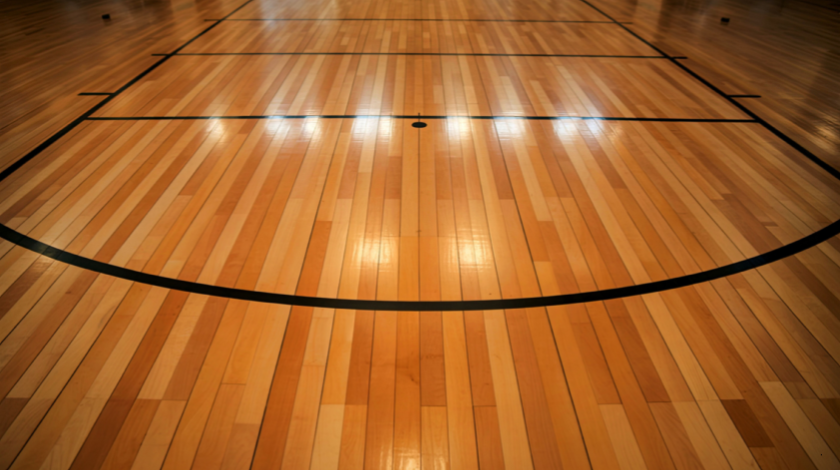
The landscape of South Florida is changing, and I am not just talking about Miami’s skyline or West Palm Beach’s ever-expanding suburbs. If you drive through any upscale neighbourhood in Coral Gables or Pinecrest lately, you will notice a distinct sound echoing from backyards. It is the rhythmic pop of a pickleball paddle or the heavy bounce of a basketball. For a long time, the South Florida backyard was defined by two things: a swimming pool and a patio. But as our lifestyle has shifted toward health, wellness, and private recreation, the sport court has become the new crown jewel of the Florida home. We live in an era when people want their homes to be more than just a place to sleep. They want a private resort where they can train, play, and socialise without ever leaving their property.
I have spent years observing how homeowners approach these big projects, and there is a massive difference between a court that is built to last and one that falls apart after two hurricane seasons. The unique climate of South Florida is beautiful, but it is also a brutal enemy to construction. Between the relentless ultraviolet rays of the sun and the high moisture content in our air, building an outdoor facility requires expertise beyond general landscaping. This guide is meant to help you navigate the entire journey, from finding the right professional on LinkedIn to understanding the chemistry of the paint on your court floor. We will explore why this investment is worth it and how to ensure you are getting the highest quality possible.
The Power of LinkedIn for Home Projects
When it is time to find a contractor for a major home project, most people default to a quick search engine query or an app like Yelp. While those tools have their place, they are often cluttered with paid advertisements and fake reviews. For a high-end project like a sports court, LinkedIn is the most underutilised and powerful tool at your disposal. You might think of LinkedIn as a place for resumes and corporate networking, but in specialised construction, it is where the real professionals reside. When you look up a sports court builder on LinkedIn, you are looking at their professional identity and their place within the industry ecosystem.
On a professional network, you can see if a contractor is connected to the major manufacturers of sports surfacing materials. You can see whether they participate in industry groups or have endorsements from architects and engineers in South Florida. This gives you a layer of transparency that a standard website cannot provide. In my experience, the best sports court builders are those who consistently share their recent projects and discuss new techniques for managing Florida humidity. By vetting a builder through their professional profile, you can assess their longevity in the industry and determine whether they have a consistent track record of quality. It is about building a relationship with a professional who is accountable to their peers, which almost always results in a higher standard of work for the homeowner.
The Pickleball Phenomenon in Miami and Beyond
It is impossible to talk about sports courts in South Florida without mentioning the explosive growth of pickleball. I remember when people used to joke that it was a game for the retired community, but those days are long gone. Today, you will see teenagers, professional athletes, and families all competing on the court. In Miami and Fort Lauderdale, pickleball has become a social pillar. The reason it has taken over so quickly is partly due to the geography of our region. Many South Florida lots are deep but narrow, or they are restricted by “setback” rules that make building a full-size tennis court nearly impossible. A pickleball court is significantly smaller, which means it fits perfectly into the average suburban backyard while still leaving room for a pool.
The social aspect of pickleball is another reason why it has become the top request for home sport courts. Unlike tennis, where the players are far apart, pickleball keeps everyone close together. It allows for conversation and a much more relaxed, party-like atmosphere. I have seen homeowners in areas like Boca Raton replace their ageing, underused tennis courts with two or even three pickleball courts. This shift has not only increased the use of their outdoor space but also made their homes the go-to spot for weekend gatherings. It is easy to learn but hard to master, making it the perfect addition for anyone looking to stay active in a fun, accessible way.
Material Matters: Surviving the Florida Sun
One of the biggest mistakes I see homeowners make is choosing materials based on price rather than regional suitability. The Florida sun is a different beast entirely. It does not just make things hot; it physically breaks down the chemical bonds of low-quality paints and plastics. If you use a generic outdoor paint on your court, you will find that the vibrant blue or green you started with will turn into a chalky, faded mess within 18 months. This is why you must insist on high-grade acrylic coatings engineered with UV inhibitors. These coatings are designed to stay bright even under the intense glare of the South Florida sky.
Beyond colour, the surface temperature is a major factor. If you have ever walked barefoot on an asphalt driveway in July, you know how dangerous it can be. Advanced sport court surfaces use specialised pigments that reflect rather than absorb heat. This can make the court surface up to fifteen degrees cooler than standard pavement, which is a lifesaver during those midday games. Furthermore, the humidity in Florida can lead to “blistering“, where moisture gets trapped under the paint and creates bubbles. To prevent this, a professional builder will use a vapour barrier and high-quality primers that allow the concrete to breathe while still providing a rock-solid bond for the topcoat.
The Construction Process: From Dirt to Dunks
Building a high-quality sports court is a multi-stage engineering project that starts long before any paint is applied. The first step is always site preparation. In South Florida, we often build on sand or limestone. This requires a very specific approach to the sub-base to prevent the court from sinking or tilting over time. A professional team will begin by excavating the area and levelling the ground using a laser-guided system. This level of precision is vital because if the slope is off by even a fraction of an inch, water will pool in the middle of your court every time it rains.
Once the ground is prepped, the concrete pour begins. For a sports court, you generally want a four-inch-thick slab of reinforced concrete. In our region, we use a specific “PSI” or strength rating for concrete to ensure it can withstand the weight and environmental stress. After the concrete is poured, it must “cure” for at least twenty-eight days. This is the part that many homeowners find frustrating because they want to play right away, but you cannot rush the chemistry of concrete. If you paint too early, the moisture inside the concrete will ruin the finish. Once cured, the surface is ground down to remove any imperfections, the layers of acrylic are applied, and finally, the lines are taped and painted by hand to ensure they are crisp and professional.
Adding Value to Your Property
When you are spending a significant amount of money on a backyard upgrade, it is natural to wonder about the return on investment. In the luxury real estate markets of South Florida, such as Weston, Jupiter, or the gated communities of Naples, a sport court is a major selling point. I have spoken with real estate agents who tell me that for many buyers, an athletic facility is now higher on the wish list than a home theatre or a wine cellar. It signals a healthy, family-oriented lifestyle that is very attractive to modern buyers. A well-designed court that complements the home’s architecture can significantly enhance the backyard’s “curb appeal.”
It is also important to consider the “utility value” of the court. When you have a professional-grade facility at home, you save money on club memberships and on travel time. But more importantly, you are creating a safe environment for your children and their friends. In an age where we are all trying to get our kids off their screens and into the fresh air, a backyard basketball or pickleball court is the ultimate tool. When it comes time to sell your home, having a professionally installed and well-maintained court sets your property apart from the thousands of other homes on the market that only have a standard patio.
Maintenance and Longevity
Even the best-built court in the world requires a little bit of love to stay in top shape. In South Florida, the biggest enemy is organic growth. Because of the high humidity and frequent rain, mould and algae can start to grow in the texture of the court surface. If left unchecked, this can make the court very slippery and dangerous. I recommend a simple cleaning routine: blowing off leaves and debris at least once a week. This prevents organic matter from sitting on the surface and breaking down. Once a month, a gentle rinsing with a garden hose is usually enough to keep the dust and salt air from accumulating.
You should avoid using harsh chemicals or high-pressure washers, as they can strip the grit from the acrylic coating. The “grip” of the court is what prevents you from sliding, and you want to preserve that for as long as possible. If you do notice a small crack or a chip in the paint, it is best to call your contractor and have it repaired immediately. In our climate, a small crack can quickly turn into a large one when water seeps in, and heat causes the concrete to expand. With proper care, a high-end sport court surface should last between five and eight years before it needs a fresh “re-coat” to look brand new again.
Conclusion
In the end, building a sports court in South Florida is about more than just sports. It is about claiming your piece of the Florida dream and creating a space that promotes health, family, and community. By taking the time to find a reputable professional through networks like LinkedIn and by insisting on materials that can withstand our unique tropical climate, you are making an investment that will pay off for years to come. Whether you are aiming to be the next pickleball champion of Miami or you want a place to shoot some hoops under the palm trees, a private court is one of the most rewarding additions you can ever make to your home. It turns your backyard into a destination, providing endless hours of joy and activity right at your doorstep.
Frequently Asked Questions
How long does it take to build a full sports court from start to finish?
Plan for about six to eight weeks. This includes the time for permitting, site preparation, the concrete pour, the twenty-eight-day curing period, and the final surfacing. Weather can always play a factor, especially during the Florida rainy season.
Can a sports court be built on an existing asphalt driveway?
It is possible, but I usually advise against it in South Florida. Asphalt tends to soften in the extreme heat, which can lead to indentations and “divots” over time. Concrete is much more stable and provides a better long-term foundation for professional sports surfacing.
Is it better to have a multi-sport court or a single-sport court?
If you have a large family with different interests, a multi-sport court is a fantastic choice. You can have lines for basketball, pickleball, and even volleyball all on one surface. However, if you are a serious player of one specific sport, a dedicated court often feels more professional and less cluttered.
What is the best way to vet a contractor I find on LinkedIn?
Look at their “Activity” tab to see if they are active in the industry. Check their “Recommendations” section for testimonials from other professionals or clients. You can also check whether they hold certifications from organisations such as the American Sports Builders Association (ASBA).
Does the salt air near the ocean damage the court?
Salt air can be corrosive to metal components, such as basketball rims and net posts. If you live near the coast, make sure your builder uses stainless steel or galvanised hardware and high-quality powder coatings to prevent rust.