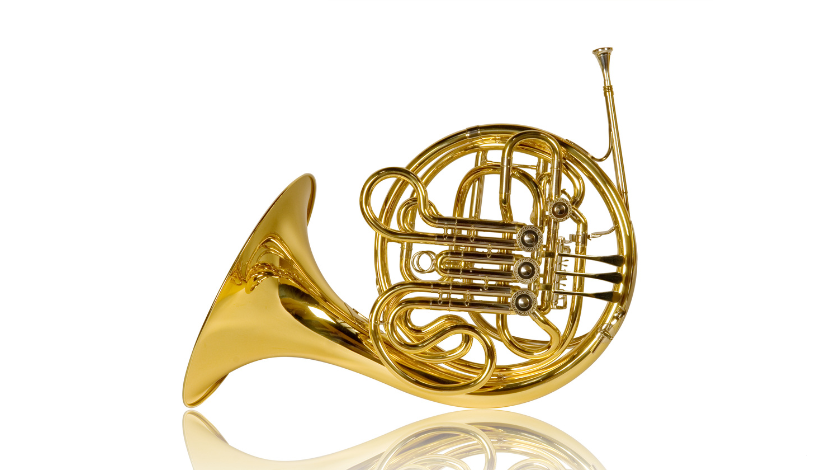
If you have ever listened to the soaring soundtrack of a movie like Star Wars or Jurassic Park, you have heard the French horn in all its glory. It is that warm, golden sound that represents heroes and sunsets. When I first picked up the instrument in middle school, I had no idea what I was getting myself into. I just knew it looked cool with all those complex tubes and circles. Over the years, I learned that the French horn is widely considered one of the most difficult instruments to master, but it is also the most rewarding. Whether you are a parent looking to rent an instrument for your child or an adult who wants to finally learn how to play, understanding the quirks of this brass beast is the first step. This guide comes from years of sitting in the back of orchestras and bands, dealing with spit valves, broken strings, and the joy of finally hitting that high C.
What Exactly is the French Horn?
The French horn, often just called “the horn” in professional circles, is a brass instrument derived from ancient hunting horns. Unlike the trumpet or trombone which have cylindrical tubing (staying the same width until the end), the horn is conical. This means the tubing gradually gets wider from the mouthpiece all the way to the massive flared bell. This shape is exactly what gives the horn its mellow and dark tone. If you unraveled all the tubing of a standard double horn, it would stretch out to be about 12 to 13 feet long. That is a lot of metal to blow air through.
One thing you will notice immediately is the valves. Trumpets have piston valves that go up and down. The French horn uses rotary valves. These are little cylinders that spin inside the casing when you press a lever. Because they spin rather than plunge, they are generally faster and smoother, but they require a specific type of maintenance. Also, unlike almost every other instrument, you play the keys with your left hand while your right hand does something very specific inside the bell. It feels backward at first, especially if you are right-handed, but your brain adjusts surprisingly fast.
Single Horns vs. Double Horns: The Big Decision
When you walk into a music shop to rent or buy, this is the first hurdle you will face. You will see “Single F” horns and “Double F/Bb” horns. A Single F horn is usually smaller and lighter. It has three levers and plays in the key of F. This is the traditional sound of the horn. For a specialized beginner, specifically a young student in 4th or 5th grade who might struggle with the weight of a big instrument, the Single F is a great starting point. It forces the student to learn to hear the pitches clearly because the notes are quite close together on an F horn.
However, the Double Horn is the standard. If you look at a professional or a high school student, they are almost certainly playing a double horn. This instrument has a fourth lever, usually operated by the thumb. When you press that thumb trigger, the air is rerouted from the longer F tubing to a shorter set of tubing in the key of Bb (B-flat). Why does this matter? The shorter Bb side makes it much easier to hit high notes accurately. It makes the instrument feel more secure. If you have the budget and the student is big enough to hold it, I almost always recommend starting on a double horn or switching to one as soon as possible. It prevents a lot of frustration later on when the music gets higher and faster.
The Mystery of the Right Hand
People always ask me why I stick my hand inside the bell of the horn. Is it to hold it up? Is it to mute the sound? It is actually a bit of both, plus tuning. The tradition dates back to before the horn had valves. Back then, players had to use their hand to close off the air passage to change the pitch of the notes. Today, even with valves, the right hand is essential for controlling the tone.
You should cup your hand slightly, as if you are holding water in your palm, and place it against the far side of the bell throat. If you take your hand out completely, the horn sounds bright and brassy, almost like a trumpet. When you put your hand in, it mellows the sound into that velvety texture we all love. Furthermore, moving your hand further in or out can fine-tune the pitch. If you are playing slightly sharp, closing your hand a bit can bring the pitch down. It is a dynamic technique that takes years to perfect. For beginners, just remember to keep the hand straight and against the metal, not floating in the middle where it will muffle the sound completely.
Making a Sound: The Embouchure
The “embouchure” is just a fancy word for how you form your lips and facial muscles to play. The French horn mouthpiece is very different from other brass instruments. It is small, deep, and funnel-shaped. A trumpet mouthpiece is more like a cup or a bowl. Because the horn mouthpiece is a funnel, there is no sharp edge inside to help you create the vibration. You have to do more of the work yourself.
To make a sound, you do not blow into the horn like a balloon. You have to buzz your lips. I like to tell students to pretend they are spitting a watermelon seed across the room. You make a firm shape with the corners of your mouth and push air through the center. When you put the mouthpiece up to that buzz, it amplifies into a tone. The range of the French horn is massive, going from deep, growling low notes to piercing high notes. Controlling this requires a lot of muscle strength in the lips. This is why daily practice is so important. If you take a week off, your lip muscles get weak, and your endurance crashes. It is very much like going to the gym.
Why is the French Horn So Hard?
You might have heard that the horn is the hardest instrument in the orchestra. There is some truth to this, and it comes down to physics. Without getting too boring, the “partials” (the available notes you can play without changing your finger combination) get very close together as you go higher in pitch. On a trumpet or flute, if you miss a note, you might miss it by a wide margin. On the horn, the notes are stacked so tightly that even a tiny change in lip tension can cause you to hit the wrong note. We call this “cracking” or “clamming” a note.
Every horn player, even the world-class soloists in the New York Philharmonic, will crack a note occasionally. It is part of the gig. Because the mouthpiece is small and the tubing is long, the resistance is high. You have to have an incredible ear to “hear” the note in your head before you play it. If you just blow and hope for the best, you will likely miss. This challenge builds character. Horn players tend to be resilient people because we are used to taking risks every time we play a solo. We have to be brave.
Buying and Renting Guide
If you are ready to get an instrument, do not rush to buy the cheapest shiny object you see on the internet. There are many “instrument shaped objects” sold online for very low prices that are made of soft metal and are impossible to tune. They will break within months, and repair shops often refuse to fix them because the metal tears. Stick to reputable brands.
For students, Yamaha is the gold standard. Their manufacturing is incredibly consistent. A used Yamaha YHR-567 is a fantastic intermediate horn that can last a student all the way through college. Conn is another legendary American brand. The Conn 8D is a famous model with a big, dark sound, often used in film scores. For a tighter budget, Holton horns are also very durable and commonly found in school bands.
If you are just starting, renting is the smartest move. A good double horn can cost anywhere from two thousand to five thousand dollars or more. Renting allows you to try it out for a monthly fee. If the student quits after three months, you are not stuck with an expensive piece of brass. If you decide to buy used, try to take a teacher or a professional player with you to test it. They can check if the valves are leaky or if the slides are stuck.
Maintenance: Caring for the Horn
A French horn is a machine, and like a car, it needs oil. You have two main types of oil to worry about. First is the rotor oil, which goes directly into the valves to keep them spinning fast. You should do this a few times a week. The second is slide grease. The tuning slides need to be thick and sticky enough to stay in place but loose enough to move when you need to tune. If you do not grease them, they will seize up, and you will have to pay a repair tech to unstuck them.
One unique headache for horn players is the string. Unlike trumpets that use metal mechanical linkages, most French horns use a string to connect the finger lever to the rotor. It makes the action very quiet and smooth. However, these strings snap. It usually happens right before a concert. Learning to restring a rotary valve is a rite of passage. It involves tying knots and threading fishing line through tiny screws. I recommend every horn player keeps a small screwdriver and extra string in their case at all times.
The Role of the Horn in Music
So, why go through all this trouble? Because the role of the horn is unmatched. In an orchestra, we are the bridge. We blend the woodwinds and the brass. We can play sweet and lyrical melodies that make people cry, and ten seconds later, we can play loud, brassy fanfares that shake the walls. Composers love the horn. From Beethoven and Mozart to Hans Zimmer and John Williams, the horn gets the best melodies.
Playing in a horn section creates a strong bond. There are usually four players in a section. The Principal (1st horn) plays the high solos. The 4th horn plays the low foundation. The 2nd and 3rd horns fill in the harmony. You have to breathe together and phrase together. When a horn section locks into a perfectly tuned chord, the sound is physically resonant. It is a buzzing sensation that you feel in your chest. That feeling is worth all the missed notes and broken strings.
Conclusion
The French horn is not just an instrument; it is a lifestyle. It demands patience, a good ear, and a sense of humor for when things go wrong. Whether you are attracted to its shiny, complex look or its hauntingly beautiful sound, learning to play it is a journey that will teach you discipline and artistry. Do not be intimidated by its difficulty. With a good teacher, a decent instrument, and consistent practice, anyone can learn to tame the horn. The community of horn players is supportive and kind, mostly because we all know the struggle of the instrument. So, pick up that mouthpiece, buzz your lips, and join the club. The view from the back of the orchestra is fantastic.
Frequently Asked Questions (FAQ)
1. Is the French horn really the hardest instrument to play?
While “hardest” is subjective, it is certainly the most volatile. Because the notes are so close together in the harmonic series, it is very easy to accidentally hit the wrong pitch, even if you are an expert. It requires more precision and ear training than most other brass instruments.
2. Can I play the French horn if I have braces?
Yes, absolutely. It will be uncomfortable for the first few weeks as your lips adjust to the pressure against the metal brackets. Many students use wax or thin plastic guards to protect the inside of their lips. Once the skin toughens up, you can play just fine.
3. Why is it called the “French” horn?
Interestingly, the International Horn Society just calls it the “Horn.” The “French” descriptor is mostly used in North America. The credit is usually given to the French hunting horns that influenced the design, but the modern valve horn was actually developed largely in Germany.
4. How much does a decent beginner French horn cost?
A new, high-quality single horn can cost around $2,000 to $3,000. A new intermediate double horn is usually between $3,500 and $5,000. This is why renting is a popular option for beginners, often costing $40 to $70 per month.
5. What is the difference between a yellow brass and a nickel silver horn?
This refers to the metal alloy. Yellow brass is softer and produces a warmer, slightly darker sound. Nickel silver (which is actually a brass alloy with nickel added) is harder and produces a brighter sound that projects more. The choice is mostly personal preference or depends on what the rest of your section plays.
6. I am left-handed. Is that an advantage?
Actually, yes! Since the valves are operated with the left hand, left-handed people often have better finger dexterity and control right from the start. However, right-handed people adapt to it very quickly as well.