


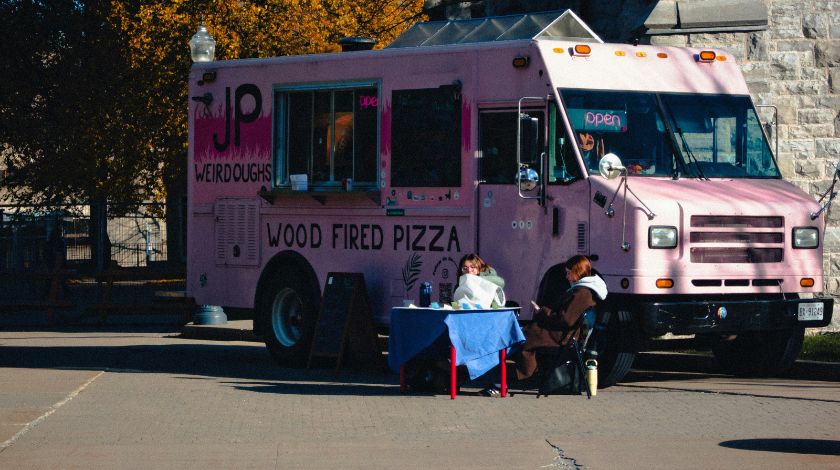
There is something magical about walking down a busy street and suddenly catching a whiff of cardamom, cumin, and roasting garlic wafting through the air. You follow your nose, and there it is: a colorful truck with vibrant artwork, steam rising from the service window, and a line of people eagerly waiting for their fix of authentic Indian flavors. That is the Indian food truck experience in a nutshell, and it is one of the most exciting food trends happening in cities across America right now.
I still remember the first time I stumbled upon an Indian food truck at a local street fair about three years ago. I had been craving proper Indian street food ever since I visited Mumbai a decade earlier, and honestly, I was skeptical that a truck could deliver the real deal. But one bite of their pani puri, and I was transported straight back to those bustling Mumbai streets. The crunch of the semolina shell, the burst of tangy tamarind water, the spiced potatoes, everything was spot on. That moment changed how I thought about mobile food forever.
What Exactly Is an Indian Food Truck?
An Indian food truck is essentially a mobile kitchen on wheels that specializes in serving Indian cuisine. Unlike traditional Indian restaurants that require you to sit down, order from a menu, and wait for your meal, these trucks bring the food directly to where people are working, celebrating, or just walking by. They operate out of customized vehicles equipped with commercial kitchens, including specialized equipment like tandoors for baking naan and grilling meats, flat griddles for making dosas, and deep fryers for samosas and pakoras.
The concept works because Indian street food was literally designed for this kind of setup. In India, some of the best food you will ever eat comes from roadside stalls and mobile vendors who have been perfecting their craft for generations. The food truck model takes that authentic street food culture and adapts it for American cities, complete with health permits, regular inspection schedules, and the ability to move to where the customers are.
What really sets these trucks apart from your typical restaurant experience is the freshness factor. Because space is limited and inventory needs to turn over quickly, you are often getting food that was prepared minutes ago, not hours. The spices are toasting, the bread is rolling off the griddle, and the chutneys are being blended fresh. That immediacy makes a huge difference in flavor.
Why Indian Food Trucks Are Absolutely Booming Right Now
The growth of Indian food trucks is not just a random trend. There are some solid reasons why this business model is exploding in popularity across the United States, and understanding these factors helps explain why you are seeing more of them at every food festival and office park.
First, Americans have developed much more adventurous palates over the past decade. People who might have hesitated to walk into a traditional Indian restaurant are often more willing to try a small portion from a truck. There is lower commitment, you can see the food being made right in front of you, and the prices are usually more approachable. A $10 meal from a truck feels less risky than a $25 sit-down dinner if you are unfamiliar with the cuisine.
The authenticity factor plays a huge role, too. Many Indian food trucks are run by immigrants or first-generation Americans who grew up eating this food at home. They are not trying to water down flavors for mainstream appeal. In fact, the best trucks often pride themselves on serving exactly what you would find on the streets of Delhi, Mumbai, or Chennai. That genuineness resonates with customers who are tired of generic “Asian fusion” concepts that do not really represent any specific culture properly.
Social media has been rocket fuel for this industry. Indian food is incredibly photogenic; those bright orange turmeric hues, the green cilantro chutneys, the golden-brown samosas, they practically beg to be photographed. When customers post pictures of their masala dosa or colorful thali plates on Instagram, it creates organic marketing that money cannot buy. Smart truck owners lean into this by creating “Instagram moments” with their truck design and plating.
From a business perspective, the economics make sense too. Starting a food truck requires significantly less capital than opening a brick-and-mortar restaurant. You are looking at $50,000 to $150,000 to get a truck fully equipped and permitted, compared to $500,000 or more for a restaurant space in a decent location. That lower barrier to entry means talented cooks who might never have been able to open a restaurant can now share their family recipes with the world.
The Menu: What to Expect from a Quality Indian Food Truck
Walking up to an Indian food truck menu for the first time can feel overwhelming if you are not familiar with the cuisine. But here is the thing: the best trucks usually focus on a specific regional style or type of dish rather than trying to offer everything. This specialization is actually a good sign because it means they are doing fewer things exceptionally well rather than many things mediocrely.
If you see chaat items on the menu, you are in for a treat. Chaat refers to savory snacks that are the backbone of Indian street food culture. Pani puri (also called golgappa) consists of hollow, crispy shells filled with spiced potatoes and chickpeas, then dunked in tangy, spicy water. It is an interactive eating experience where you pop the whole thing in your mouth at once and wait for the flavor explosion. Samosa chaat takes those familiar triangular pastries and crushes them into a bowl, then tops them with yogurt, tamarind chutney, mint sauce, and crunchy sev (fried chickpea noodles). It is comfort food at its finest.
South Indian food trucks have become especially popular because dosas travel surprisingly well. A dosa is a thin, crispy crepe made from fermented rice and lentil batter, usually filled with spiced potatoes and served with coconut chutney and sambar (a lentil-based vegetable stew). Watching a skilled cook spread the batter in a perfect circle on a hot griddle, then flip and fold it with precision, is part of the entertainment. These are naturally gluten-free and often vegan, which makes them popular with health-conscious crowds.
Many trucks also offer tandoori specialties, though this requires some serious equipment. A tandoor is a cylindrical clay oven that reaches temperatures over 800 degrees Fahrenheit. Chicken marinated in yogurt and spices emerges with a signature charred exterior and a juicy interior. When served wrapped in fresh naan bread with pickled onions and mint chutney, it makes for a perfect handheld meal.
Fusion items have become increasingly common and can be genuinely excellent when done thoughtfully. Indian tacos using naan instead of tortillas, filled with butter chicken or chana masala, work surprisingly well. Kati rolls, which originated in Kolkata, are essentially Indian burritos: paratha bread wrapped around skewered meats or vegetables with sauces and onions. These fusion formats help introduce Indian flavors to customers who might be more familiar with Mexican or Middle Eastern street food formats.
Vegetarian and vegan options are usually abundant, which is another reason these trucks do well at events and office parks where dietary restrictions are common. Unlike many food trucks that offer a single sad veggie option as an afterthought, Indian cuisine has a centuries-old tradition of vegetarian cooking. Aloo tikki (spiced potato patties), vegetable pakoras, paneer tikka, and various lentil dishes provide protein-rich options that satisfy even committed meat eaters.
How to Actually Find a Great Indian Food Truck Near You
Here is the reality of the food truck business: these trucks move. Unlike restaurants that stay in one place, a truck might be at a downtown office park on Tuesday, a brewery on Thursday, and a wedding on Saturday. Finding them requires a slightly different approach than just googling “Indian restaurant near me.”
Your first move should be to check Google Maps and search specifically for “Indian food truck,” not just “Indian food.” Look for businesses that have the “food truck” category label. Read the reviews carefully, paying attention to mentions of freshness, spice levels, and whether the truck shows up consistently at its posted locations. Nothing is more frustrating than driving to a spot where a truck is supposed to be, only to find empty pavement.
Social media is honestly the best tracking tool for food trucks. Most successful operators post their weekly schedules on Instagram or Facebook, often with photos of their current location. Following hashtags like #IndianFoodTruck, #DesiStreetFood, or #[YourCity]FoodTruck can help you discover new options. Some trucks even post when they are running low on popular items, so you don’t have to make a disappointing trip.
There are also dedicated food truck tracking apps and websites, such as Roaming Hunger, Street Food Finder, and Truckster, that aggregate schedules from multiple trucks in major cities. These can be useful, though coverage varies by region. In smaller cities, you might need to rely more on local food blogs or Facebook groups dedicated to street food.
Food truck festivals and night markets are goldmines for discovering Indian trucks. These events usually happen monthly or seasonally in most metro areas and gather dozens of trucks in one place. The competition keeps quality high, and you can often sample small portions from multiple vendors. I found my current favorite dosa truck at a night market in Portland, and now I follow their schedule religiously.
Office parks and business districts during lunch hours are common spots for Indian trucks because they can serve many customers quickly. If you work in a downtown area, ask around or check the lobby directory; many buildings now list which food trucks are scheduled for the week. Some trucks even offer pre-ordering through apps so your food is ready when you walk outside.
Thinking About Starting Your Own Indian Food Truck?
Maybe you are reading this and thinking, “I make amazing biryani, and everyone tells me I should sell it.” Starting an Indian food truck is absolutely doable, but it requires more than just great recipes. I have talked to several truck owners over the years, and the successful ones all emphasize the same points.
The initial investment is substantial but manageable compared to a restaurant. You are looking at purchasing or leasing a truck ($30,000 to $100,000, depending on condition and equipment), outfitting it with a commercial kitchen ($20,000 to $50,000), permits and licenses ($5,000 to $15,000, varying wildly by city), and initial inventory and operating capital. Some cities have commissary kitchen requirements, too, which means paying for a licensed prep space where you store ingredients and clean equipment.
Equipment choices matter enormously for Indian cuisine. You absolutely need a tandoor if you plan to serve authentic breads and grilled meats, and these take up significant space and require special ventilation. A large flat griddle (tawa) is essential for dosas and breads. Multiple burner stoves for curries, deep fryers for samosas, and adequate refrigeration for dairy products and fresh vegetables are non-negotiable. Space is tight in a truck, so every piece of equipment needs to earn its place.
The permit process can be frustratingly complex and varies dramatically by municipality. Some cities have caps on food truck permits, creating long waitlists. Others restrict where you can park or operate. You will likely need a business license, food handler certifications, vehicle permits, fire department inspections, and possibly health department approvals. The best advice here is to talk to other truck owners in your target city before committing to anything. They can tell you which inspectors are reasonable and which paperwork trips people up.
Menu planning for a truck is an art form. You need items that can be prepped efficiently in small spaces, cook quickly to keep lines moving, and hold up well if a customer does not eat immediately. This is why chaat items and wrapped foods work so well. You also need to consider food costs. Indian spices and specialty ingredients can be expensive if you do not have good supplier relationships. Building connections with Indian grocery wholesalers or importers early on will save you money and ensure consistent quality.
Marketing an Indian food truck requires hustle. You cannot just park and expect people to find you. Successful owners build email lists, maintain active social media presences, partner with local breweries and office buildings for regular spots, and network with event organizers. Word of mouth is powerful in this business; one bad experience can hurt you, but one rave review from a local food blogger can create lines around the block.
Catering and Special Events: Where the Real Money Is
While daily lunch service keeps the lights on, many Indian food truck owners will tell you that private catering is where they actually make their profit margins work. Weddings, corporate events, birthday parties, and festival appearances often pay guaranteed minimums regardless of actual sales, which removes the risk of slow days.
Indian food works beautifully for weddings because it scales well, elegantly accommodates dietary restrictions, and feels festive and celebratory. A truck can serve as a unique late-night snack station after the formal dinner, or as the main catering for a more casual reception. The truck’s visual appeal also provides a backdrop for photos.
Corporate catering is another steady revenue stream. Many companies bring in food trucks for employee appreciation events, team lunches, or client entertainment. Indian food is exotic enough to feel special but familiar enough that most people will find something they like. Trucks that can handle pre-orders and serve efficiently within a lunch hour window tend to get repeat business.
The key to successful event catering is having systems in place. You need online ordering capabilities, clear communication about setup requirements (power, water, space), and staff who can handle high-volume rushes without compromising quality. Many truck owners hire extra help specifically for large events rather than trying to manage everything themselves.
Conclusion
Indian food trucks represent one of the most exciting developments in American street food culture right now. They bring authentic, affordable, and incredibly flavorful cuisine directly to where people are already gathering, whether that is an office park at lunch, a brewery on a Friday night, or a wedding reception. For customers, they offer accessibility and adventure without the formality of a restaurant. For entrepreneurs, they offer a lower barrier to entry into the food business with the potential for serious growth.
Whether you are hunting for your next meal or considering launching your own mobile kitchen, the Indian food truck scene is worth paying attention to. The combination of centuries-old culinary traditions with modern mobile business models creates something genuinely special. Just follow your nose to that cloud of spice-scented steam, join the line, and prepare for a meal that will ruin you for boring sandwiches forever.
Frequently Asked Questions
What is the most popular item on an Indian food truck menu?
Most trucks report that samosas and chaat items like pani puri are their biggest sellers because they are familiar to newcomers and deeply satisfying to those who already love Indian food. Dosas are increasingly popular in areas with health-conscious customers due to their gluten-free and vegetarian nature.
How much does a meal from an Indian food truck typically cost?
Prices vary by city, but expect to pay between $8 and $15 for a substantial meal. Appetizers like samosas usually run $3 to $5, while full plates with rice, curry, and bread fall in the $10 to $14 range. Fusion items like Indian burritos or bowls are often priced similarly to Chipotle or other fast-casual chains.
Are Indian food trucks usually vegetarian-friendly?
Absolutely. Most Indian food trucks offer extensive vegetarian options, and many also offer vegan options. Indian cuisine has a long tradition of vegetarian cooking, so these are not afterthoughts but often the stars of the show. Just ask about ghee (clarified butter) if you are strictly vegan.
How do I know if an Indian food truck is authentic?
Look for trucks that specify a regional cuisine (South Indian, Punjabi, Gujarati) rather than generic “Indian food.” Check if the owners or cooks are actually from India or have family connections to the cuisine. Reviews mentioning spice levels and traditional preparations are good signs. The presence of items like dosa, idli, or specific chaat varieties usually indicates authenticity.
Can Indian food trucks cater for my wedding or private event?
Yes, most Indian food trucks actively seek catering opportunities, and many prefer guaranteed private events over the uncertainty of street parking. Contact them several months in advance for weddings, as popular trucks book up quickly. Be prepared to discuss guest count, dietary restrictions, and whether you want the truck to serve from their vehicle or set up a buffet station.
Do Indian food trucks offer halal or gluten-free options?
Many do, but it varies by truck. Halal meat options are common since many Indian Muslims operate food businesses, but you should always ask to be certain. Gluten-free options are plentiful because rice, lentils, and chickpea flour (besan) are staples of Indian cooking. Dosas are naturally gluten-free, and many curries can be served with rice instead of bread.
What equipment is essential for an Indian food truck?
At minimum, you need a tandoor or high-heat oven for breads and grilling, a large griddle for dosas and breads, multiple burners for curries, and deep fryers for samosas and pakoras. Adequate refrigeration is crucial for dairy products and fresh produce. Ventilation systems must handle the heavy aromas of Indian spices, which is a specific consideration during the permitting process.