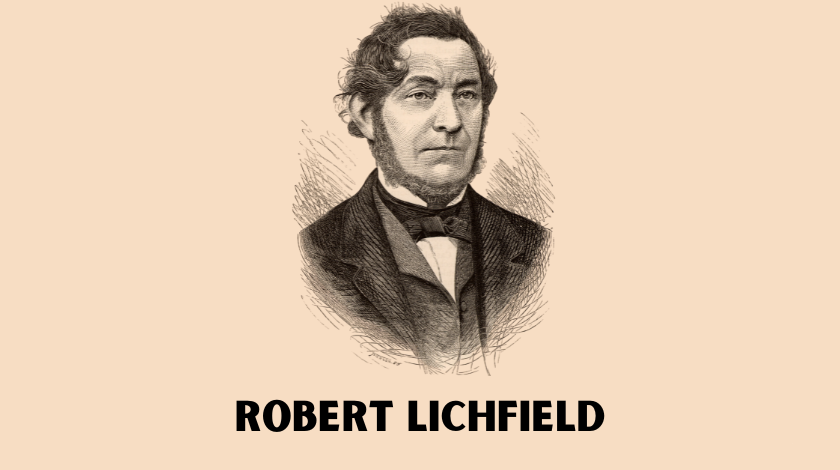
Robert Lichfield is a name synonymous with one of the most controversial chapters in American education history. If you have watched the Netflix documentary The Program: Cons, Cults, and Kidnapping, you have already glimpsed the tip of an iceberg that stretches across decades, multiple countries, and thousands of affected families. But who exactly is this man, and how did he build an empire that allegedly profited from the pain of vulnerable teenagers? This article pulls back the curtain on Robert Lichfield, his creation of the World Wide Association of Specialty Programs and Schools (WWASP), and the lasting impact his business ventures have had on the troubled teen industry.
I remember the first time I heard about WWASP. It was during a late-night conversation with a friend who had survived one of these programs. The stories sounded almost too horrific to be true—teenagers being handcuffed in the middle of the night, forced to lie face down on dirty floors for hours, and subjected to psychological torture that left lasting trauma. Yet as I dug deeper, I realized these were not isolated incidents but part of a systematic approach to “behavior modification” that generated millions of dollars while leaving destruction in its wake. Understanding Robert Lichfield requires us to look beyond the headlines and examine how a business model built on fear and desperation could thrive for so long with minimal oversight.
The Early Years: How It All Began
Robert Browning Lichfield was born in February 1954 in Utah, the fifth of thirteen children in a devout Mormon family. Growing up in a large household with strict religious values, Lichfield would later draw upon these experiences when designing programs for “troubled” youth. His younger brother, Narvin Lichfield, has spoken about their close relationship growing up, noting that they shared a bedroom for 7 years and that Robert was 7 to 8 years older. This sibling bond would prove significant later, as Narvin would become deeply involved in the family business, eventually running marketing operations and opening his own facilities under the WWASP umbrella.
Lichfield’s entry into the troubled-teens industry began in the late 1980s, when he founded his first facility in La Verkin, Utah. This initial venture, which would evolve into Cross Creek Center, established the template that Lichfield would replicate across the country and eventually around the world. The model was deceptively simple: create residential programs marketed as therapeutic boarding schools for teenagers struggling with behavioral issues, charge parents exorbitant fees, and implement strict behavior modification techniques designed to break down resistant teens and rebuild them according to the program’s specifications.
What set Lichfield apart from other operators in the troubled-teens space was his business acumen and marketing savvy. Rather than simply running one facility, he envisioned a network—a franchise model that could be replicated endlessly. This vision would eventually become WWASP, an umbrella organization overseeing dozens of facilities across multiple continents.
Building the WWASP Empire: A Business Model Like No Other
In 1998, Robert Lichfield formally established the World Wide Association of Specialty Programs and Schools, commonly known as WWASP or WWASPS. On paper, WWASP presented itself as a support organization for independent residential treatment facilities. It claimed to provide educational consulting, marketing services, and operational guidelines to member schools. In reality, according to numerous lawsuits and investigations, WWASP operated as a tightly controlled network in which Lichfield and his associates maintained significant financial interests in the supposedly independent facilities.
The genius of Lichfield’s business model lay in its vertical integration. Through various corporate entities—including Teen Help LLC, R&B Billing, National Contracting Services, and Narvana Resources—Lichfield’s network controlled every aspect of the operation from initial marketing to final billing. When desperate parents called seeking help for their struggling teenagers, they often reached Teen Help, the marketing arm of the operation. These “educational consultants” would steer parents toward WWASP-affiliated facilities, earning commissions for each enrollment.
The financial structure was particularly lucrative. Parents typically paid between $3,000 and $5,000 per month—substantial sums in the 1990s and early 2000s. However, according to court documents and testimony from former facility directors, only a fraction of these funds was actually spent on the children’s care. One affidavit from a former employee stated that, while parents paid over $2,000 per child per month, principals in Utah diverted approximately 75 percent of the funds, leaving only about $500 per student to operate the entire on-site program, including staffing, building maintenance, food, and supplies. This meant facilities were chronically underfunded while Lichfield and his associates allegedly extracted millions.
The expansion was rapid and international. At its peak, WWASP had facilities in Utah, Montana, New York, Iowa, Louisiana, Costa Rica, Jamaica, Mexico, and Western Samoa. Each facility operated under the WWASP methodology, which included a points-based behavior system, strict isolation protocols, and techniques borrowed from the controversial Synanon program—a drug rehabilitation cult from the 1960s known for its brutal “attack therapy” sessions. Students earned points for compliance and lost them for infractions, aiming to graduate from the program. However, survivors have testified that the system was designed to be nearly impossible to complete, ensuring a maximum length of stay and, therefore, maximum profit.
The Academy at Ivy Ridge: A Case Study in Systemic Abuse
No facility better illustrates the WWASP methodology than the Academy at Ivy Ridge, which operated in Ogdensburg, New York, from 2001 to 2009. Marketed to parents as a prestigious boarding school with accredited academics, therapeutic activities, and college preparation, the reality was starkly different. The building itself was a converted old facility in rural upstate New York, far from the oversight of major cities or regulatory agencies.
Katherine Kubler, the director of The Program: Cons, Cults, and Kidnapping, spent fifteen months at Ivy Ridge after being transported there in handcuffs in 2004. Her experience was not unique. Students reported being subjected to rules that prohibited smiling, making eye contact with other students, looking out windows, and even speaking without permission. Bathroom use was monitored, with students required to keep stall doors open. Violations resulted in punishments ranging from loss of privileges to forced physical exercise to isolation in small rooms for hours or days.
The academic program was essentially nonexistent. Students spent hours each day on computers completing online quizzes that had little educational value. The diplomas issued by Ivy Ridge were not recognized by colleges or universities, leaving graduates with worthless credentials and lost years of their lives. In 2005, the New York Attorney General’s Office determined that Ivy Ridge was “grossly misrepresenting its academic credentials” to parents and students.
The facility became dangerously overcrowded, particularly after the Mexican government shut down Casa by the Sea, another WWASP facility, and many of those students were transferred to Ivy Ridge. Former students recall mattresses lining the hallways as the population swelled beyond capacity. On May 16, 2005, tensions boiled over into a riot involving dozens of students, resulting in expulsions, arrests, and the involvement of multiple law enforcement agencies, including U.S. Border Patrol.
When Ivy Ridge finally closed in 2009, it was not because of regulatory intervention but because the business model had become unsustainable amid growing lawsuits and negative publicity. The building was abandoned, and in a twist that seems almost cinematic, all the student files were left behind—thousands of records documenting abuse, restraints, and daily operations. When Katherine Kubler returned to the facility in 2020 to film her documentary, she found her own file among the scattered papers. This discovery became the foundation for exposing the truth about WWASP.
Legal Troubles and the Pattern of Allegations
The allegations against Robert Lichfield and WWASP facilities span decades and continents. Former students have reported physical abuse, including violent restraints, forced feeding, and beatings. Psychological abuse was systematic, with survivors describing techniques designed to break down their sense of self-worth and replace it with complete dependence on the program. Some facilities faced accusations of sexual abuse by staff members. In Costa Rica, authorities raided Dundee Ranch, another WWASP facility, and arrested Robert Lichfield in connection with abuse allegations. While the charges were eventually dropped, the incident highlighted the international scope of the operation and the growing scrutiny from foreign governments.
The legal strategy employed by Lichfield and WWASP followed a predictable pattern. When faced with lawsuits from parents or former students, the organization would often settle out of court, requiring confidentiality agreements that prevented survivors from speaking publicly about their experiences. This tactic allowed the network to continue operating while keeping the worst allegations out of public view. When settlements were not possible, Lichfield and his associates frequently countersued for defamation, claiming that survivors were lying about their experiences to damage the programs’ reputations.
In 2013, Lichfield gave an interview to The New York Times in which he denied direct involvement in abuse. “I wasn’t there, I didn’t abuse or mistreat students, nor did I encourage or direct someone else to do so,” he stated. “I provided business services that were non-supervision, care, or treatment services to schools that were independently owned and operated.” This defense—that he was merely a business consultant while others ran the day-to-day operations—has been challenged by court documents showing his deep involvement in marketing, admissions decisions, and financial control of the facilities.
The Netflix documentary has sparked new legal action. Narvin Lichfield, Robert’s brother, filed a defamation lawsuit against Katherine Kubler and Netflix in 2024, claiming the documentary falsely portrayed him as a mastermind of abuse. It included footage obtained through a secret recording. The court has dismissed several of these claims, noting that truth is an absolute defense to defamation and that the documentary’s portrayal was supported by substantial evidence. Nevertheless, the lawsuit demonstrates the ongoing legal battles surrounding the WWASP legacy.
Where Is Robert Lichfield Now?
As of 2024, Robert Lichfield has maintained a low profile, spending minimal time in the United States despite his extensive real estate holdings in Utah. He built an elaborate estate in Toquerville, Utah, featuring statues of family members and extensive farmland, though reports suggest the property has been largely abandoned in recent years. His strategy is one of silence and distance, waiting for public attention to fade while continuing to enjoy the wealth accumulated during WWASP’s peak years.
The most recent public controversy involving Lichfield occurred in 2023 when the mayor of Hurricane, Utah, announced plans to name a new recreation center after him. Lichfield had donated a metal building for the project, and the mayor suggested naming the facility the “Robert Lichfield Recreation Center” in recognition of his contribution. The announcement sparked immediate outrage from survivors and advocates, who organized a petition calling for the name to be changed. The incident highlighted how deeply connected the troubled teen industry remains to local communities in Utah, where these programs have operated for decades and contributed significantly to the local economy.
Despite numerous lawsuits and investigations, Robert Lichfield has never faced criminal charges related to the abuse allegations. Civil suits have resulted in settlements, but without criminal convictions, Lichfield has been able to maintain that he has done nothing wrong. This lack of accountability frustrates survivors who see him living comfortably while they continue to deal with the psychological aftermath of their time in WWASP programs.
The Broader Impact: Reform and the Future of the Troubled Teen Industry
The release of The Program: Cons, Cults, and Kidnapping in March 2024 has reignited public interest in the troubled teen industry and the need for regulatory reform. The documentary has introduced millions of viewers to terms like “teen transport” services—companies that specialize in forcibly removing teenagers from their homes in the middle of the night—and the Synanon-derived techniques still used in many behavior modification programs today.
Advocates are pushing for the Stop Institutional Child Abuse Act, federal legislation that would establish oversight mechanisms for residential treatment facilities, including requirements for reporting use of restraints and seclusion, tracking outcomes for at least six months after discharge, and creating standards for staff qualifications. Currently, the regulation of these facilities varies widely by state, with some states having minimal oversight while others have stricter requirements. Utah, where Lichfield built his empire, remains the epicenter of the troubled teen industry, with over 100 programs operating in the state and bringing in hundreds of millions of dollars annually.
Organizations like Unsilenced, founded by survivors, are working to archive documents and testimonies related to the troubled teen industry, tracing programs through their various rebrandings and reorganizations. As Unsilenced CEO Meg Appelgate notes, “It’s a constant shift from one LLC to another, and it’s extremely hard to track.” This work is essential because, as Katherine Kubler observes, these programs are like “Whac-a-Mole”—when one gets shut down, it often reopens under a new name with the same staff and methods.
For parents struggling with genuinely difficult teenagers, the lesson of Robert Lichfield and WWASP is cautionary. The promise of a quick fix for complex behavioral issues is often too good to be true. Programs that isolate children from their families, restrict communication, and employ unlicensed staff using unproven techniques are not therapeutic—they are potentially dangerous. Real help for struggling teens requires licensed professionals, evidence-based treatments, and family involvement, not the kind of isolation and control that characterized the WWASP model.
Conclusion
Robert Lichfield’s story is not just the biography of one man but a case study in how unchecked capitalism, minimal regulation, and parental desperation can combine to create systems of abuse that persist for decades. From his beginnings in Utah to the international WWASP network, Lichfield built an empire that allegedly profited from the suffering of thousands of teenagers while promising desperate parents a solution to their children’s behavioral problems.
The Netflix documentary has brought these stories to a wider audience, but the work of healing and reform is far from complete. Survivors continue to grapple with trauma, families remain divided by the decision to send children to these programs, and the troubled teen industry continues to operate with minimal oversight in many states. Understanding Robert Lichfield and the WWASP legacy is essential not just for historical accountability but for preventing similar abuses in the future. As long as desperate parents and profitable programs are promising easy solutions, the potential for exploitation remains. The story of Robert Lichfield serves as a warning that we must remain vigilant, demand transparency, and prioritize the actual well-being of vulnerable children over the profits of those who claim to help them.
Frequently Asked Questions
Who is Robert Lichfield? Robert Lichfield is a businessman from Utah who founded the World Wide Association of Specialty Programs and Schools (WWASP) in 1998. He created a network of residential treatment facilities for troubled teenagers that operated across the United States and internationally. His programs have been the subject of numerous abuse allegations, lawsuits, and the 2024 Netflix documentary The Program: Cons, Cults, and Kidnapping.
What is WWASP? WWASP stands for World Wide Association of Specialty Programs and Schools, an umbrella organization founded by Robert Lichfield that provided marketing, operational guidelines, and support to residential treatment facilities for teenagers. At its peak, WWASP had facilities in multiple states and countries, including Costa Rica, Jamaica, Mexico, and Samoa. The organization shut down amid widespread allegations of abuse and multiple lawsuits.
What happened at the Academy at Ivy Ridge? The Academy at Ivy Ridge was a WWASP-affiliated facility in Ogdensburg, New York, that operated from 2001 to 2009. Students reported systematic abuse, including isolation, physical restraints, psychological manipulation, and inadequate education. The facility closed in 2009, and when documentary filmmaker Katherine Kubler returned to the abandoned building in 2020, she discovered thousands of student files left behind, which became the basis for the Netflix documentary.
Where is Robert Lichfield now? As of 2024, Robert Lichfield maintains a low profile and reportedly spends little time in the United States. He has faced numerous civil lawsuits related to WWASP facilities, but has never been criminally charged. In 2023, controversy erupted when a Utah mayor proposed naming a recreation center after himself for donating a building, sparking outrage from survivors and advocates.
Has Robert Lichfield been arrested? Robert Lichfield was arrested in Costa Rica in connection with a raid on Dundee Ranch, a WWASP facility operating there. However, the charges were later dropped. While he has faced multiple civil lawsuits and settled many out of court, he has not been criminally convicted for his role in operating WWASP facilities.
What is The Program: Cons, Cults, and Kidnapping about? This Netflix documentary series, released in March 2024 and directed by Katherine Kubler, investigates the Academy at Ivy Ridge and the broader troubled teen industry. Kubler, a survivor of Ivy Ridge, returns to the abandoned facility with former classmates to uncover evidence of abuse and explore the lasting impact of their experiences. The documentary specifically examines Robert Lichfield’s role in creating the WWASP network.